
How to Find Out Why Customers Leave
Talk to customers the moment they cancel, churn, or abandon a purchase. Learn the real reasons people leave while the experience is still fresh.
Customers leave products for many reasons. Understanding these patterns helps teams identify the real causes of churn and improve retention.
• the product didn’t solve the problem they expected
• users never reached the product’s core value
• pricing didn’t match perceived value
• onboarding felt confusing or time-consuming
• important features were missing
Understanding these reasons helps teams improve retention and product experience.
Common Reasons Customers Leave
Most Teams Learn About Churn Too Late
When customers cancel or abandon a purchase, most teams try to understand what happened after the fact.
They send:
• exit surveys
• churn emails
• NPS follow-ups
But by the time those questions arrive, the context of the experience is already gone.
Customers may not remember exactly what frustrated them or what made them leave. Response rates are low, and the answers are often vague.
Typical responses look like:
• “Too expensive”
• “Not the right fit”
• “No longer needed”
These answers rarely explain the real moment when the customer decided the product was not worth continuing.
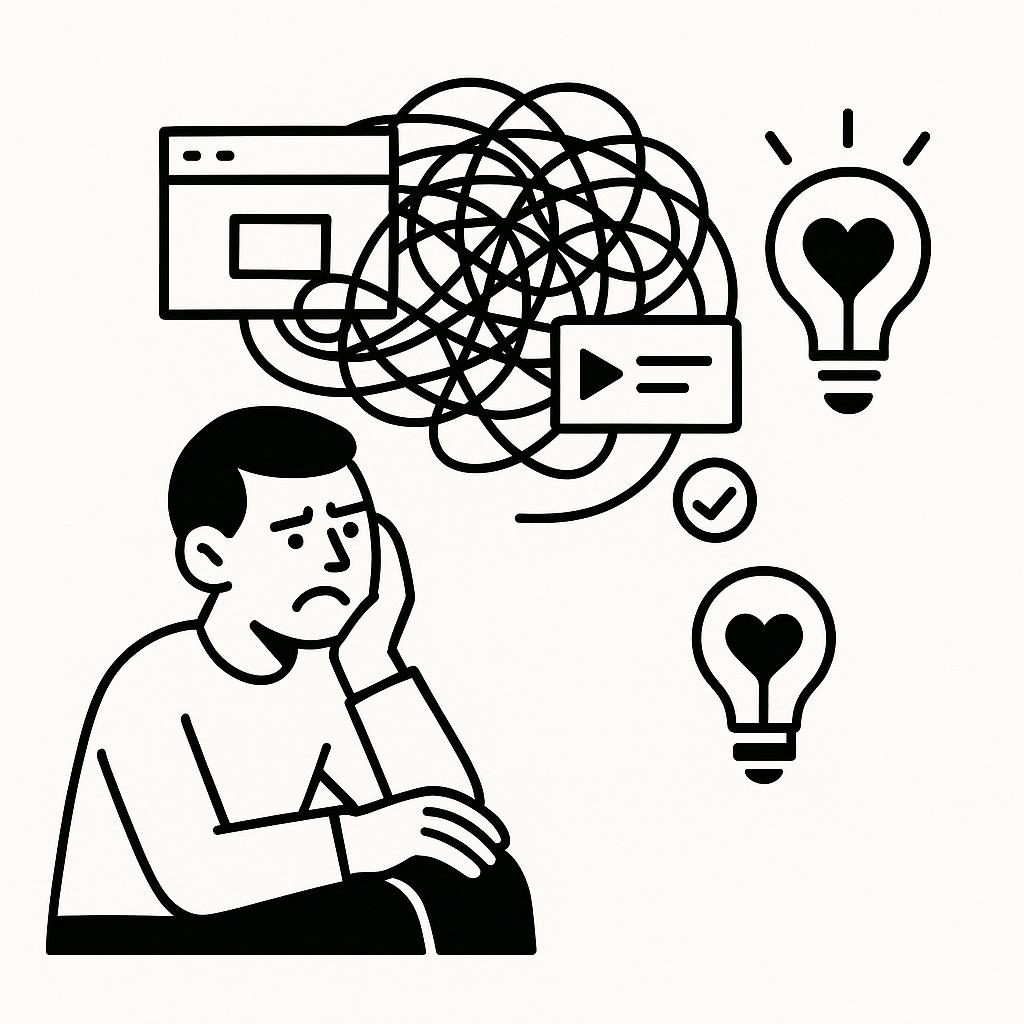

Common Moments When Customers Leave
Customers typically leave at specific points in the product journey. These moments reveal valuable insights about what isn’t working.
Subscription cancellation
Users cancel a plan or subscription after trying the product.
Checkout abandonment
Customers abandon the payment or checkout process.
Trial expiration
Users finish a free trial but decide not to upgrade.
Feature frustration
Customers stop using an important feature because it didn’t deliver the expected value.
Each of these moments represents an opportunity to learn why the experience failed to meet expectations.
Capture Churn Feedback While the Experience Is Fresh
Instead of sending surveys days later, some teams capture feedback immediately when churn events occur.
For example:
Cancel subscription
→ Invite the user to a quick conversation
→ Ask what led to the decision
→ Analyze patterns across interviews
Because the experience is still fresh, customers can clearly explain:
• what they were trying to accomplish
• what didn’t work
• what made them decide to leave
This turns churn into a continuous source of product insight.


Questions That Reveal Why Customers Cancel
When customers cancel, simple open questions often reveal the most useful insights.
Examples include:
• What made you decide to cancel today?
• What were you hoping this product would help you do?
• What almost made you stay?
• Was there something missing from the product?
• What part of the experience felt confusing or frustrating?
These conversations help uncover the real drivers of churn.

What Teams Often Discover From Churn Conversations
When teams capture feedback at the moment customers leave, several patterns often emerge.
• expectation mismatch between marketing and product experience
• onboarding friction preventing users from reaching value
• missing features customers assumed would exist
• unclear pricing or perceived lack of value
• confusing product flows or usability issues
Understanding these patterns helps teams improve onboarding, product positioning, and feature priorities.
“I expected the product to automatically organize my data, but I realized I still had to set everything up manually.”
These insights often become clear when teams talk to users at the moment these events occur, while the experience is still fresh.
Turn Customer Moments Into Insights
Capture feedback at the moment key customer events happen.
.svg)
Product Event
Track key product events with a simple JavaScript snippet.
.svg)
Research Trigger
Use events from tools like PostHog, Mixpanel, Amplitude, or GA.

Quick voice conversation
Connect the event to trigger an invitation for a short voice chat with an AI researcher.

Themes & insights
Interviews are transcribed, analyzed, and summarized into themes.
