
Understand Checkout or Purchase Abandonment
Talk to shoppers when they abandon checkout or a cart. Discover the friction that stops customers from completing a purchase.
Checkout abandonment usually happens when friction appears late in the buying process. Understanding these causes helps teams improve purchase conversion.
Common causes include:
• unexpected costs such as shipping or taxes
• long or complicated checkout forms
• limited payment options
• lack of trust signals during checkout
• technical errors or slow checkout pages
Identifying these problems helps teams reduce cart abandonment and improve conversion.
Common Reasons Customers Abandon Checkout
Analytics Show Abandonment, But Not the Reason
Ecommerce and product analytics tools can show when customers abandon checkout.
Teams can see:
• cart abandonment rates
• where users leave the checkout flow
• which payment step causes drop-off
But analytics cannot explain why customers decide not to complete the purchase.
Did the price feel too high?
Did the checkout process feel complicated?
Did something create doubt or hesitation?
Without hearing directly from customers, teams are often left guessing which friction caused the abandonment.
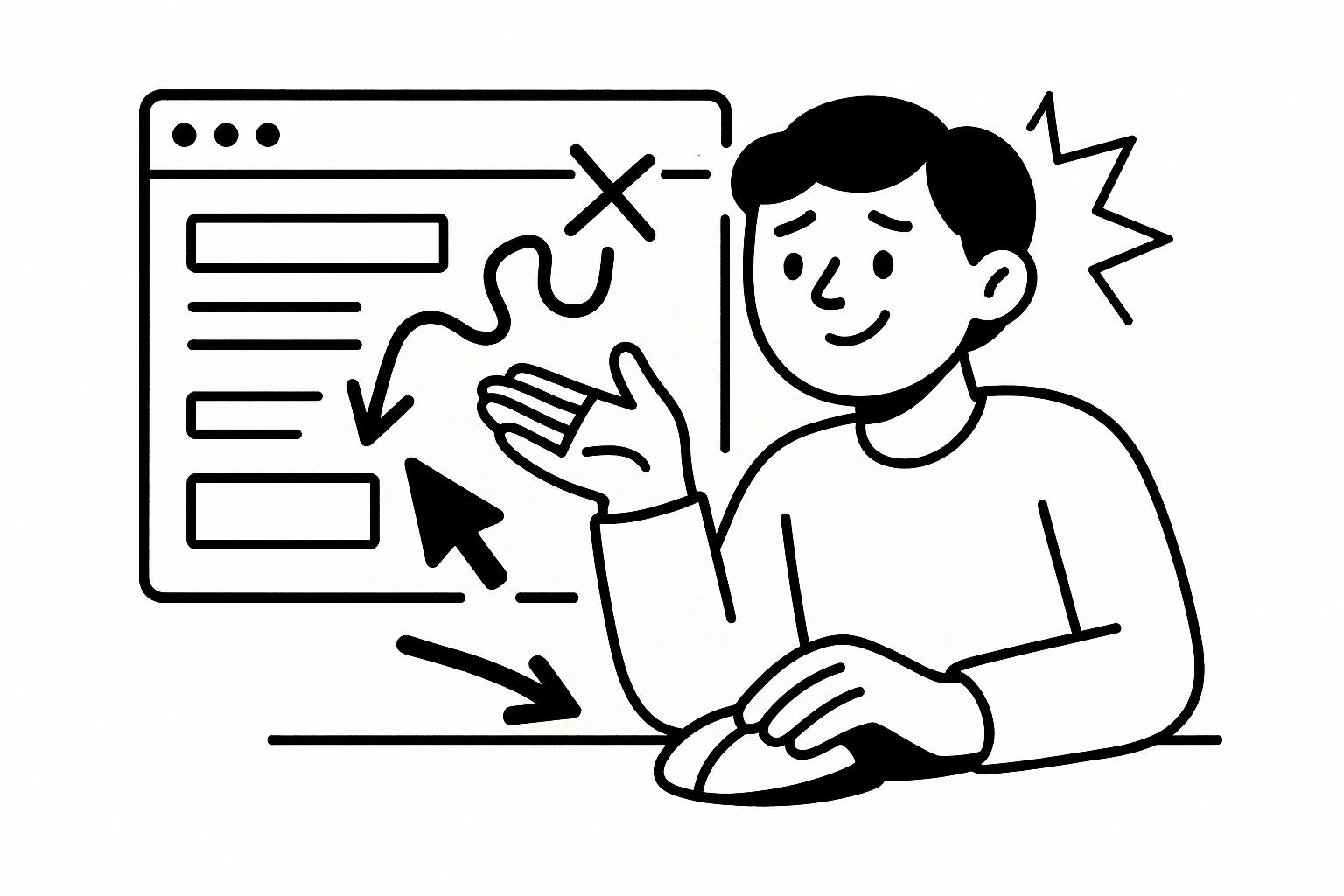

Key Moments When Purchase Abandonment Happens
Checkout abandonment usually happens at predictable points in the buying process.
Common moments include:
Cart abandonment
Customers add products to a cart but leave before starting checkout.
Checkout step abandonment
Customers begin checkout but drop off during shipping, payment, or confirmation steps.
Payment failure
Customers attempt payment but encounter errors or issues.
Pricing hesitation
Customers see the total cost and decide not to continue.
Each of these moments reveals where friction exists in the purchase experience.
Capture Feedback When Customers Abandon Checkout
Instead of relying only on conversion metrics, teams can capture feedback when purchase abandonment occurs.
For example:
Customer abandons checkout
→ Invite quick conversation
→ Ask what stopped the purchase
→ Analyze patterns across responses
Because the experience just happened, customers can clearly explain:
• what made them hesitate
• what felt confusing about checkout
• what prevented them from finishing the purchase
These insights help teams remove friction from the checkout experience.


Questions to Ask Customers Who Abandon Checkout
When customers abandon checkout, simple questions can reveal the real barriers to purchase.
Examples include:
• What stopped you from completing the purchase today?
• Was anything confusing about the checkout process?
• Did anything make you hesitate before paying?
• What information were you looking for but couldn’t find?
• What would have made the purchase easier?
These conversations often reveal the hidden friction in checkout flows.

What Teams Learn From Checkout Abandonment Feedback
When teams talk to customers who abandon checkout, several patterns often emerge.
• unexpected costs such as taxes or shipping fees
• checkout flows that feel too long or complicated
• lack of trust signals or payment options
• confusing pricing or plan comparisons
• technical errors during payment
Understanding these patterns helps teams improve conversion and reduce abandonment.
“The shipping cost was much higher than I expected, so I decided not to complete the purchase.”
These insights often become clear when teams talk to users at the moment these events occur, while the experience is still fresh.
Turn Customer Moments Into Insights
Capture feedback at the moment key customer events happen.
.svg)
Product Event
Track key product events with a simple JavaScript snippet.
.svg)
Research Trigger
Use events from tools like PostHog, Mixpanel, Amplitude, or GA.

Quick voice conversation
Connect the event to trigger an invitation for a short voice chat with an AI researcher.

Themes & insights
Interviews are transcribed, analyzed, and summarized into themes.
