
12 Best Consumer Survey Tools in 2026: For NPS, Feedback & Market Research
In brief: The best survey tool in 2026 is determined by use case, workflow fit, and respondent experience—not feature checklists. High-performing teams no longer rely on surveys alone, instead combining structured surveys for scale with conversational or AI-driven tools for depth and continuous insight. Matching the right tool to the right job from the start eliminates the trial-and-error process that slows most teams down.
Choosing the right survey app starts with understanding what you actually need from your feedback process—something we break down in detail in our customer feedback survey guide. With dozens of tools on the market in 2026, the differences between them matter a lot depending on your use case, your team's speed requirements, and how much friction your respondents will tolerate. This ranked list cuts through the noise so you can match the right tool to the right job without a lengthy trial-and-error process.

Why Survey Apps Matter More in 2026 Than Ever Before
In 2026, the challenge is no longer how to send a survey.
It’s how to get meaningful answers without burning goodwill or slowing teams down.
Every product, growth, CX, and research team is under the same pressure:
- Shorter attention spans from respondents
- More surveys competing for the same users
- Higher expectations from stakeholders who want insight, not charts
I’ve run everything from lightweight in-product pulse surveys to multi-country brand trackers and post-launch feedback loops. The pattern is consistent: teams fail not because they lack data, but because their survey app doesn’t fit their workflow.
Modern survey apps have quietly split into distinct categories:
- UX-first tools that maximize completion
- Enterprise platforms built for rigor and scale
- Fast, panel-powered tools optimized for speed
- Voice and AI-driven tools designed to go beyond checkboxes
If you’re searching for the best survey app in 2026, this guide reflects how experienced teams actually choose tools today: based on use case, speed to insight, and respondent experience, not feature checklists.
What’s Changed Since 2025: Surveys Are No Longer the Whole Answer
A critical shift has happened since 2025.
Surveys are still essential, but they are no longer expected to do everything. High-performing teams now treat surveys as:
- A signal layer to spot patterns quickly
- A trigger for deeper follow-up
- One input in a broader insight system
This is why the most effective stacks in 2026 often combine:
- Structured surveys for scale
- Conversational or voice-based tools for depth
- AI to summarize, segment, and surface insight continuously
Search behavior reflects this shift too. People are no longer just looking for “survey software.” They are searching for:
- “Best survey app for product feedback”
- “Conversational surveys”
- “AI survey analysis”
- “Survey alternatives for qualitative insights”
This post is organized around that reality.
How to Choose the Right Survey App in 2026 (Before You Look at Tools)
Before comparing logos, challenge a common assumption:
The best survey app is not the one with the most question types.
From the field, these criteria matter far more:
- Ease of creation
Can non-researchers launch a survey in minutes without breaking logic? - Smart logic and personalization
Branching, piping, and contextual questions are now table stakes. - Mobile-first respondent experience
If it’s not frictionless on mobile, completion rates will suffer. - Response quality, not just volume
UX, tone, and format matter as much as incentives. - Integration into real workflows
Surveys should trigger actions in tools like CRM, Slack, Notion, or research repositories.
The tools below are ranked with these realities in mind.
The 12 Best Survey Apps for 2026 (By Use Case)
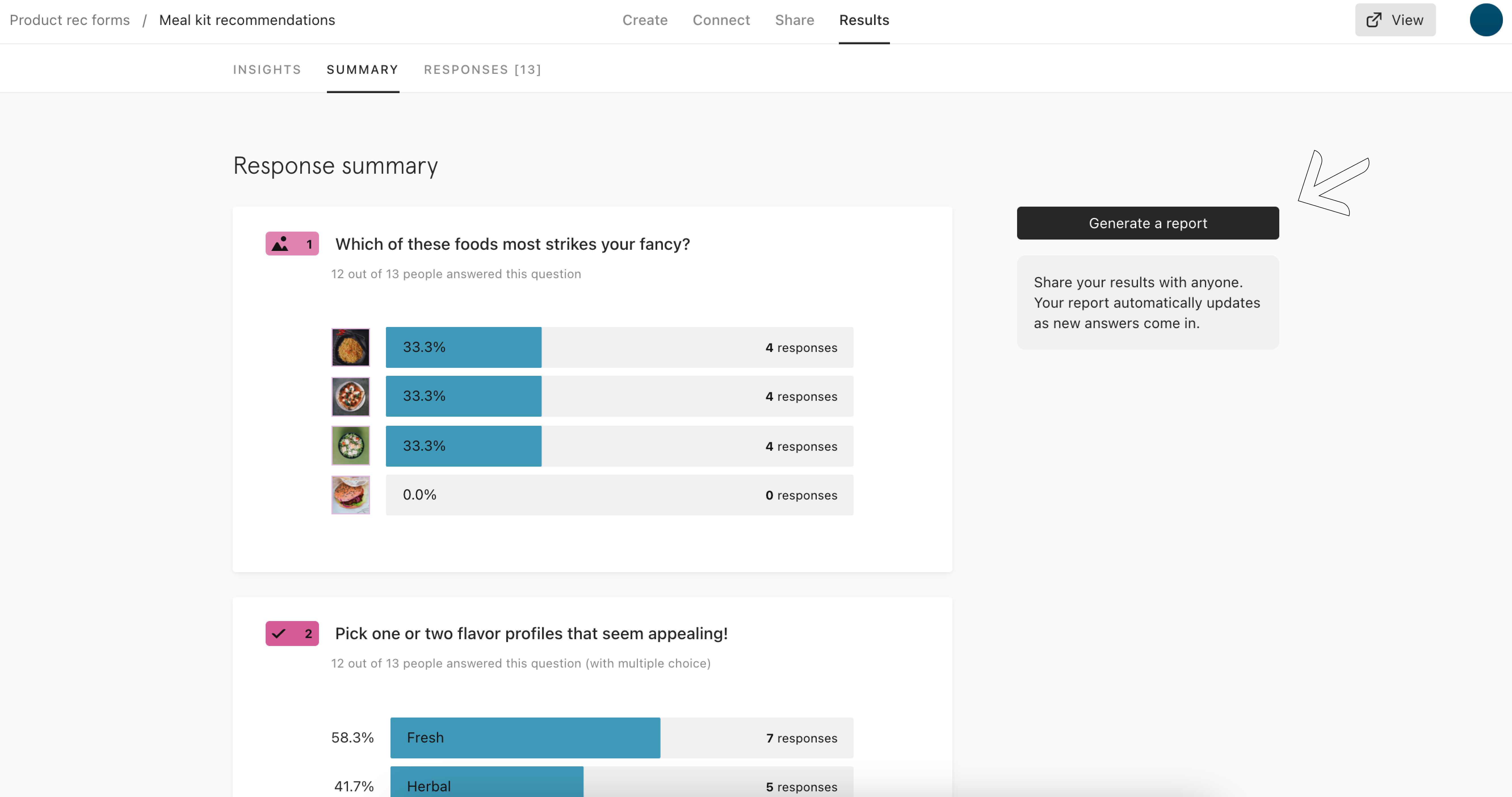
1. Typeform – Best UX for respondent experience
- Why it stands out: Sleek, single-question UI increases completion rates.
- Great for: Lead capture, user onboarding feedback, product-market fit.
- Caveat: Logic and branching can get expensive on higher tiers
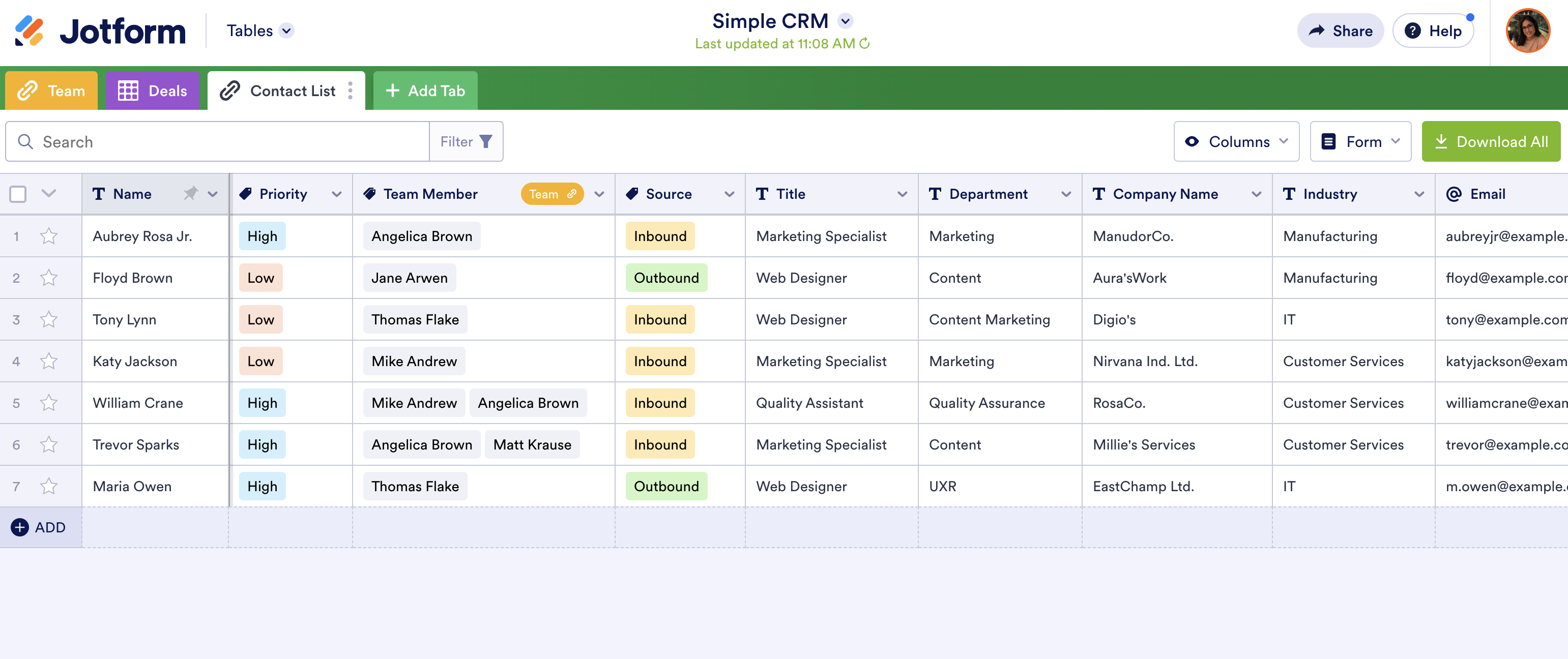
2. Jotform – Best all-rounder with tons of templates
- Why it stands out: Drag-and-drop builder with 10K+ templates.
- Great for: HR, event planning, healthcare intake.
- Power Feature: HIPAA-compliance and mobile kiosk mode.
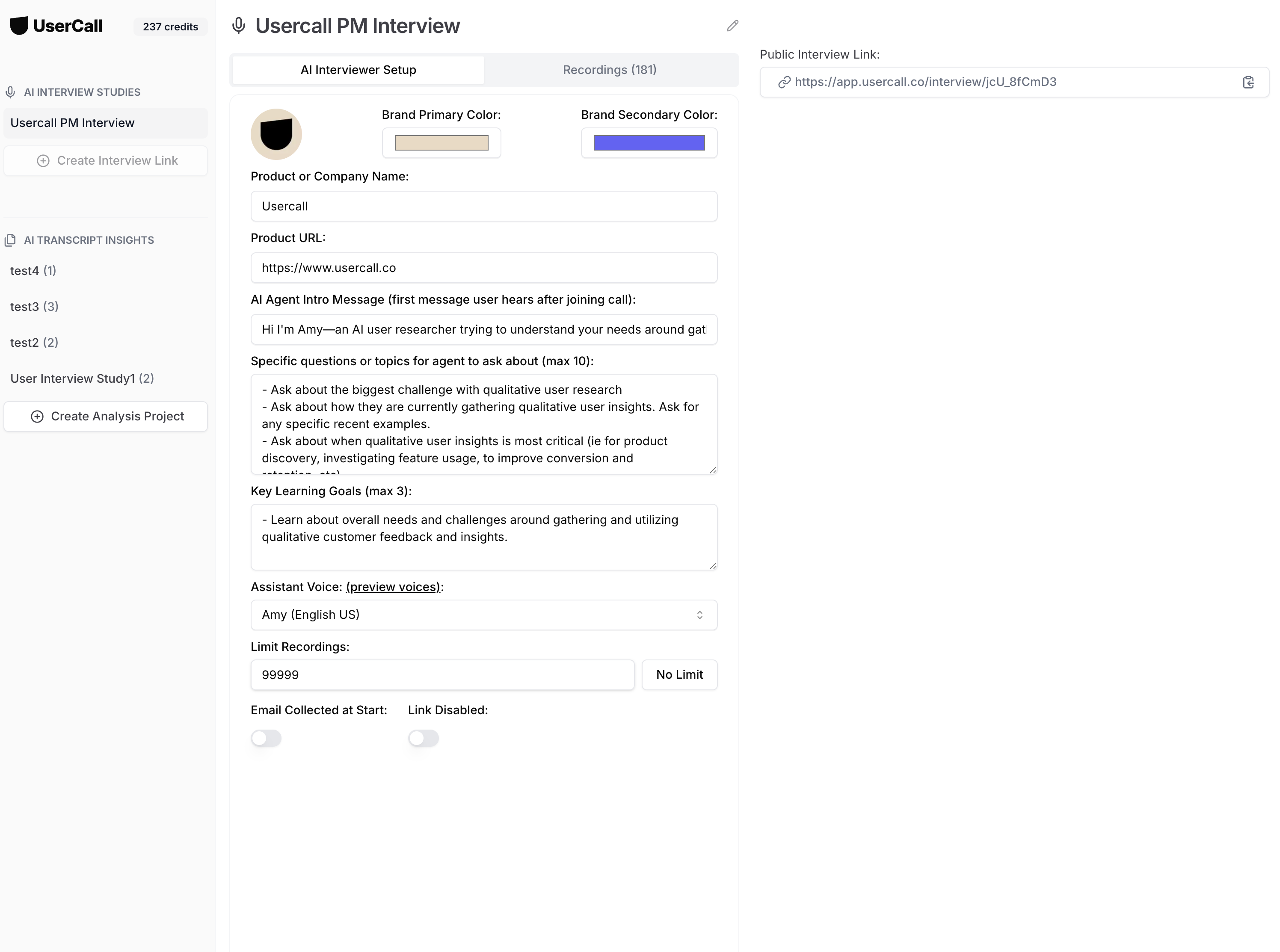
3. UserCall – Best for voice-based qualitative feedback
Self-serve from $89 a month. Your first interview is free. No sales call.
- Why it stands out: Not your typical survey app—AI conducts spoken interviews and auto-analyzes responses into themes and insights.
- Great for: Founders, UX researchers, and product teams who want deeper answers than a Likert scale can offer.
- Pro Tip: Combine this with surveys to validate insights qualitatively.
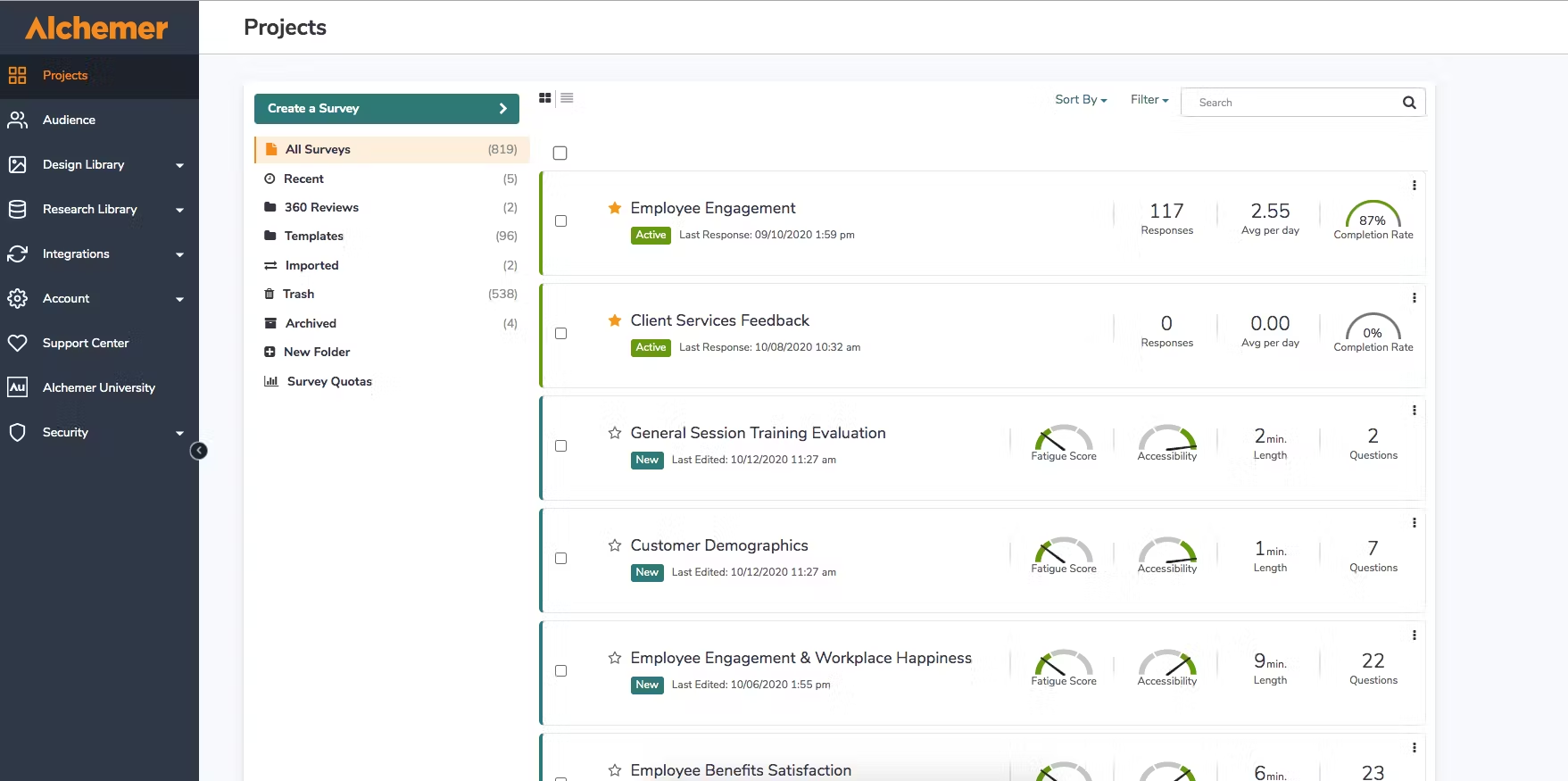
4. Alchemer (formerly SurveyGizmo) – Best for custom workflows
- Why it stands out: Complex survey logic + enterprise integrations.
- Great for: Healthcare, finance, and government orgs.
- Limit: Can feel overly technical without training.

5. SurveySparrow – Best for conversational surveys
- Why it stands out: Chat-style surveys improve engagement and drop-off rates.
- Great for: NPS, employee engagement, website feedback.
- Bonus: Recurring surveys and automation workflows built-in.
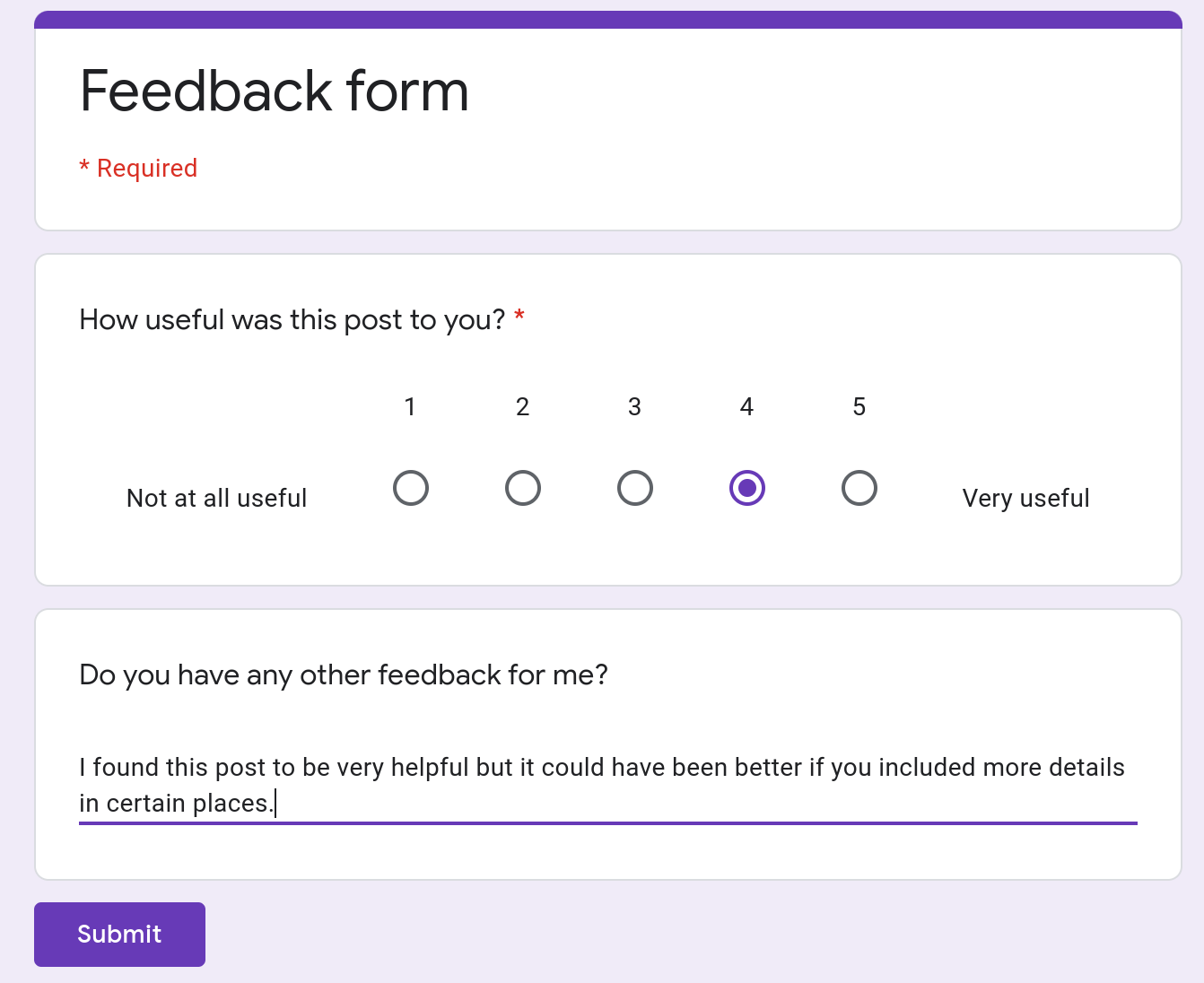
6. Google Forms – Best free option for internal teams
- Why it stands out: Clean, reliable, and fast to deploy.
- Great for: Internal polls, quick feedback, educational use.
- Limitation: No advanced logic, poor branding customization.
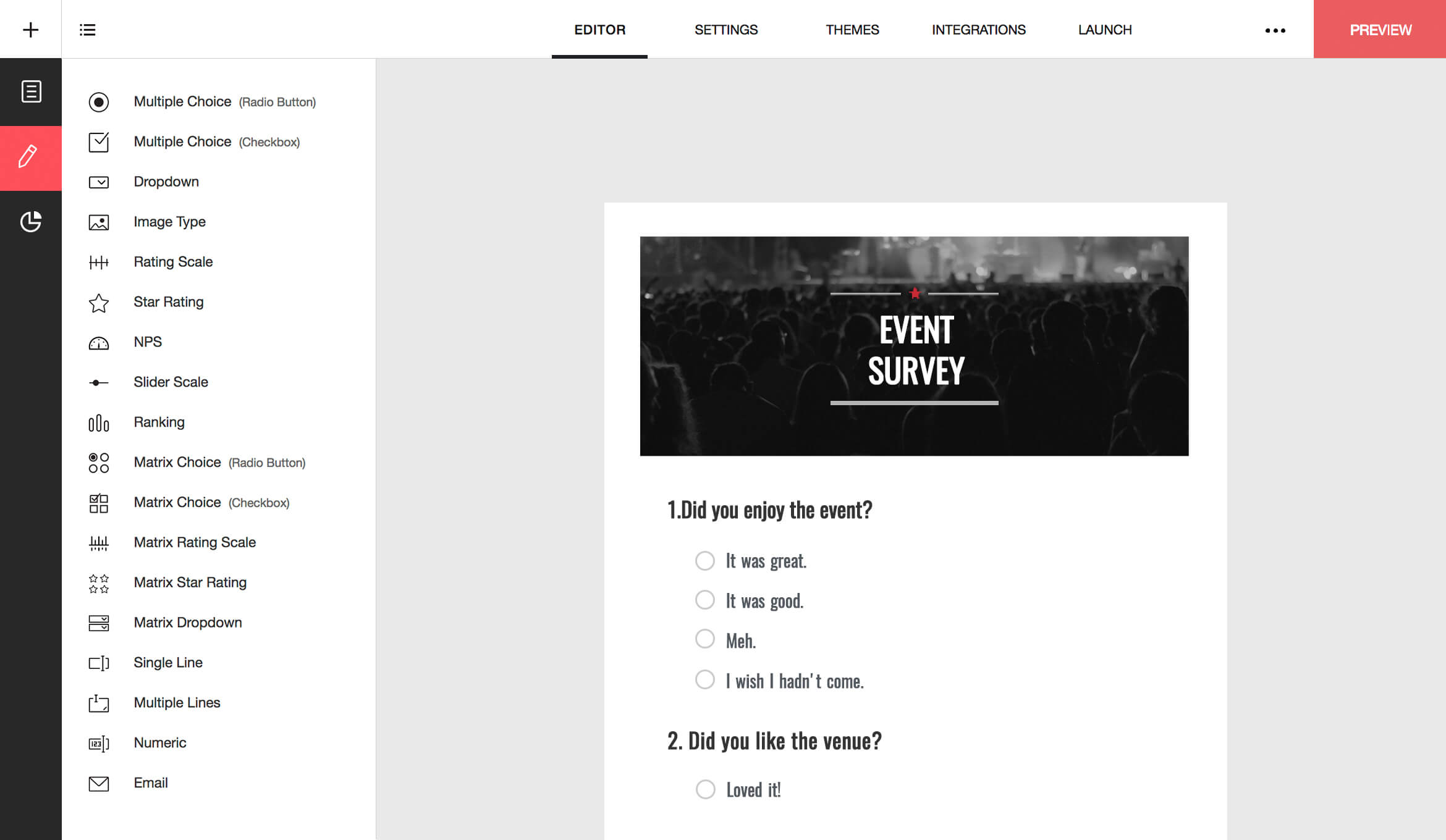
7. Zoho Survey – Best for CRM-linked survey data
- Why it stands out: Tight integration with Zoho suite.
- Great for: Sales teams, customer support follow-ups.
- Nice touch: Multi-language support and sentiment scoring.
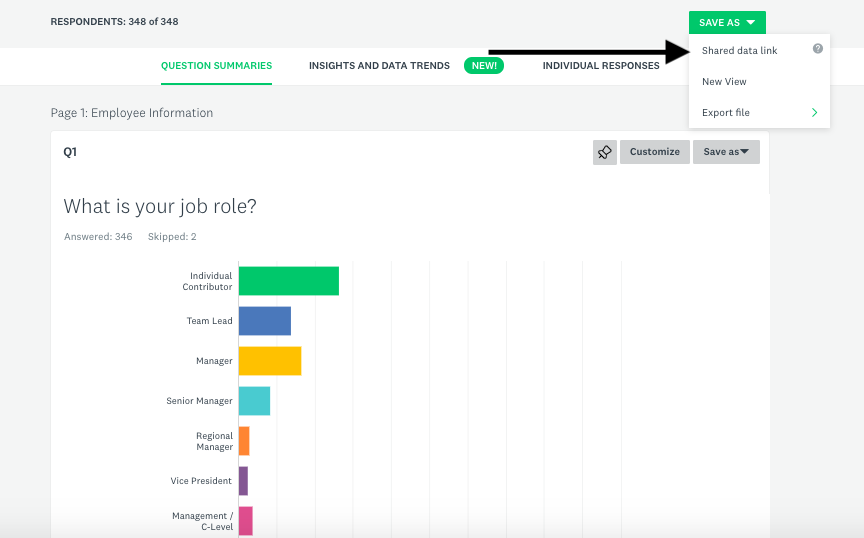
8. SurveyMonkey – Best for enterprise-grade research
- Why it stands out: Built-in benchmarks and advanced analytics.
- Great for: Brand tracking, academic research, global surveys.
- Power User Tip: Use with Momentive AI for deeper segmentation

9. Appinio – Best for fast mobile panels
- Why it stands out: Real-time results from mobile panel participants.
- Great for: Market research agencies, campaign testing.
- Speed: Answers in minutes, not days.
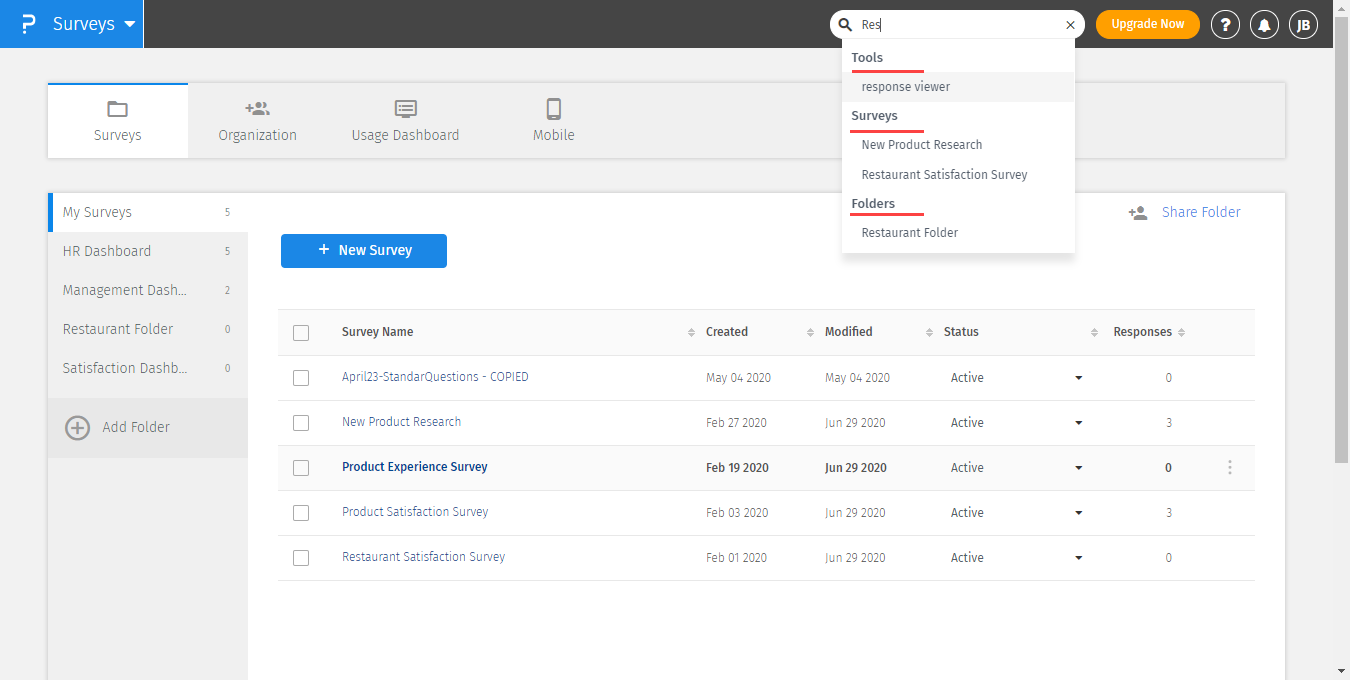
10. QuestionPro – Best for academic & non-profit research
- Why it stands out: Strong academic partnerships and grants available.
- Great for: Longitudinal studies, program evaluations.
- Extras: Offline mobile app and advanced export formats.
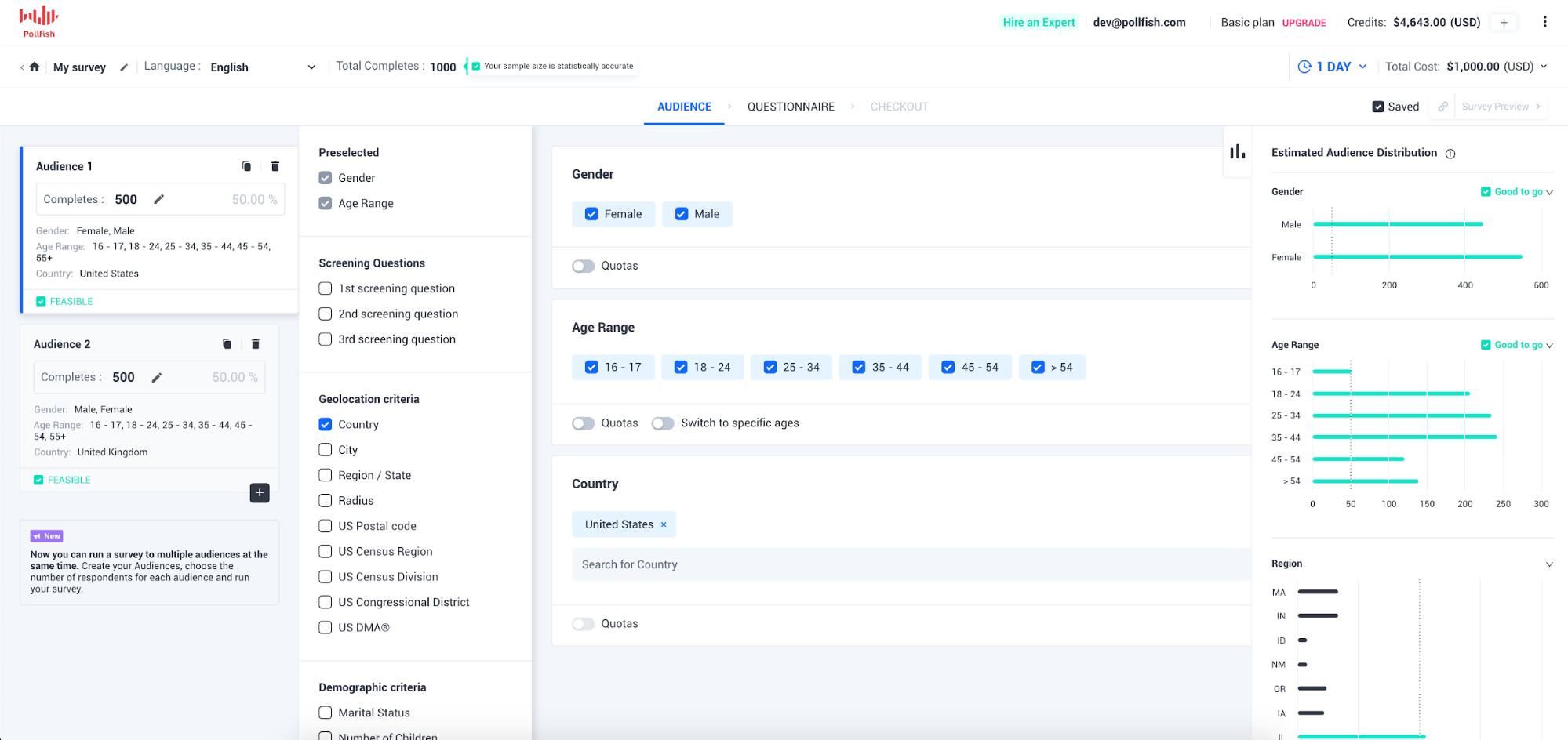
11. Pollfish – Best for global consumer insights
- Why it stands out: Access to a massive global panel.
- Great for: CPG, e-commerce, and fast-moving B2C brands.
- Fastest turnaround: Micro-surveys completed within hours.
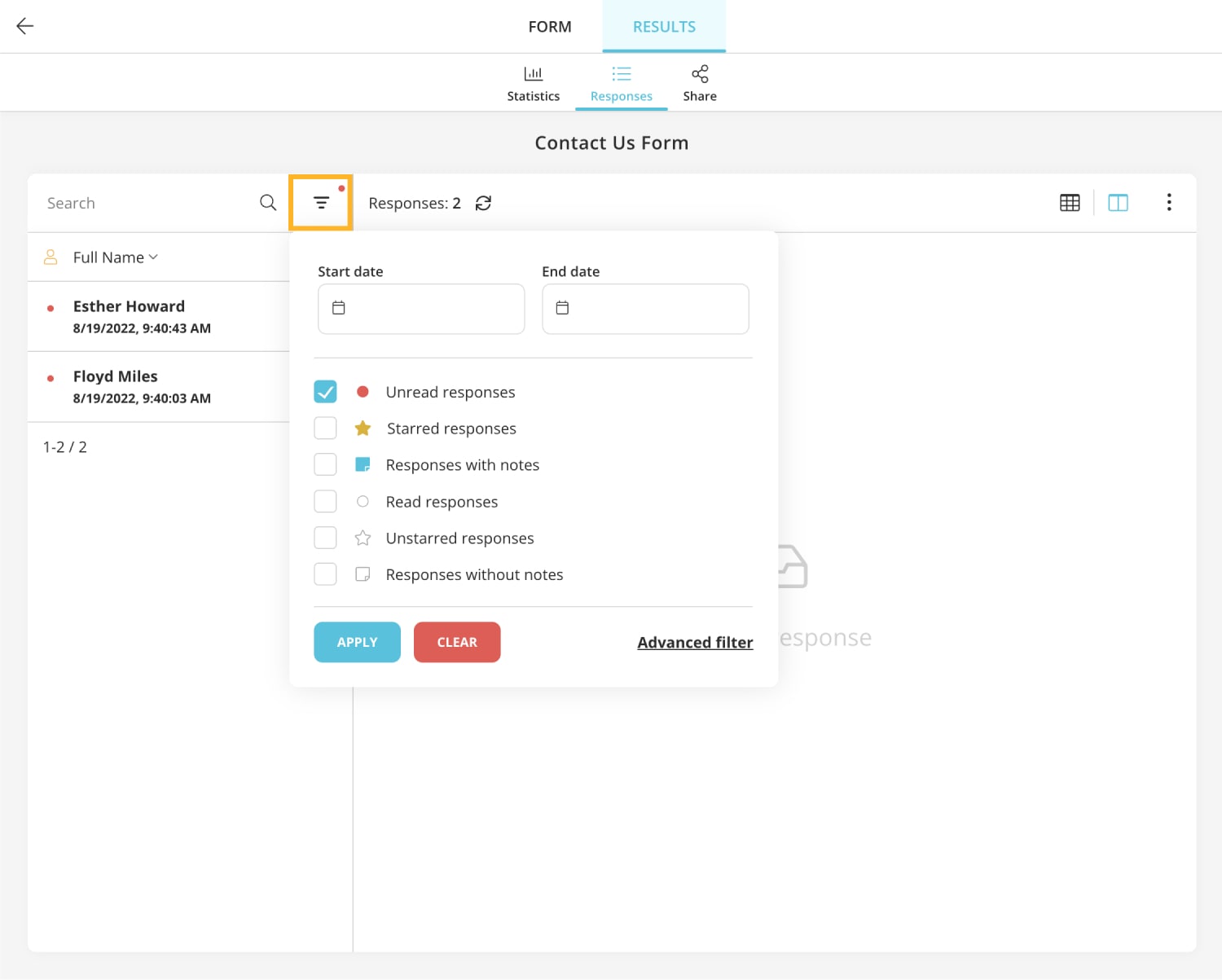
12. Forms.app – Best for mobile-first businesses
- Why it stands out: Clean mobile UI and WhatsApp sharing.
- Great for: Field teams, quick feedback on-the-go.
- Extra points: No-code automation features included.
Survey App Comparison Table
| Survey App | Best For | Why It Stands Out |
|---|---|---|
| Typeform | Conversational surveys | Sleek, one-question-at-a-time UI that boosts completion rates and feels human. |
| SurveySparrow | Employee engagement & NPS | Chat-style surveys, recurring feedback automation, and strong UI customization. |
| Google Forms | Internal polls & free use | Fast, reliable, and free with basic features and Google integration. |
| UserCall | Voice-based qualitative research | AI moderates interviews and delivers deep insights with no scheduling required. |
| Jotform | Template-rich form building | Over 10,000 templates and powerful mobile form capabilities including HIPAA compliance. |
| Zoho Survey | CRM-linked feedback | Seamless integration with Zoho apps, strong logic, and multi-language support. |
| SurveyMonkey | Enterprise-grade research | Advanced analytics and global benchmarks; integrates with Momentive AI. |
| Appinio | Mobile-first panels | Real-time research results from global mobile audiences in minutes. |
| Alchemer | Complex survey workflows | Highly customizable with advanced logic, workflows, and compliance tools. |
| QuestionPro | Academic & nonprofit research | Offline capability, detailed exports, and access programs for educational institutions. |
| Pollfish | Global consumer panels | Instant access to millions of respondents worldwide with rapid results. |
| Forms.app | Mobile-first businesses | WhatsApp sharing, clean UI, and built-in no-code automation. |
Final Thoughts
Don’t just pick a tool—pick a workflow. The best insights come when your survey app fits into your team's rhythm: triggering after product usage, syncing with CRM updates, or feeding straight into your analysis dashboard. And if you’re hungry for qualitative gold? Combine structured surveys with voice-based tools like UserCall to unlock the why behind the what.
Once you've picked your tool, make sure your broader feedback strategy is dialed in—our customer feedback survey guide covers everything from question design to analysis in one place. If speed and depth of insight are both priorities for your team, take a look at Usercall—AI-powered interviews that scale qualitative research without the scheduling overhead at usercall.co.
Frequently Asked Questions
What is the best survey app in 2026?
The best survey app in 2026 depends on your use case, workflow fit, and respondent experience rather than feature checklists. Typeform leads for UX and completion rates, while enterprise platforms suit scale and rigor. High-performing teams combine structured surveys with conversational or AI-driven tools for continuous, deeper insight.
What are the main types of survey apps available in 2026?
Survey apps in 2026 fall into four distinct categories: UX-first tools that maximize completion rates, enterprise platforms built for rigor and scale, fast panel-powered tools optimized for speed to insight, and voice or AI-driven tools designed to capture qualitative depth beyond traditional checkboxes.
What should I look for when choosing a survey app?
Prioritize ease of creation for non-researchers, smart logic and branching, mobile-first respondent experience, response quality over volume, and integration with tools like CRM, Slack, or Notion. In 2026, feature checklists matter less than workflow fit, completion rates, and how much friction respondents will tolerate.
Is Typeform still one of the best survey tools in 2026?
Yes, Typeform remains a top pick in 2026 for respondent experience, using a sleek single-question UI that measurably increases completion rates. It works best for lead capture, user onboarding feedback, and product-market fit surveys. However, advanced logic and branching features are locked behind higher-cost pricing tiers.
What is the biggest limitation of using survey apps in 2026?
The biggest limitation is that surveys alone can no longer do everything. Attention spans are shorter, more surveys compete for the same users, and stakeholders expect insight rather than charts. Teams most commonly fail not from lacking data, but because their survey app does not fit their actual workflow.
Do survey apps work for NPS and product feedback in 2026?
Yes, but the most effective approach combines structured survey apps for NPS and scale with conversational or AI-driven tools for depth. High-performing product and CX teams use surveys as a signal layer to spot patterns quickly and as a trigger for deeper follow-up, rather than as a standalone feedback solution.
What has changed about survey software since 2025?
Since 2025, surveys shifted from standalone solutions to one input within a broader insight system. Teams now use structured surveys for scale, conversational tools for depth, and AI to summarize and segment results continuously. Search behavior reflects this, with users seeking conversational surveys, AI survey analysis, and qualitative survey alternatives.
Choosing the right tool is a good start, but it helps to understand the broader landscape of what survey software does well — and where it structurally fails to capture honest customer insight. Our customer feedback survey software guide covers exactly that. If your use case demands richer, more conversational data than any form-based tool can provide, try Usercall.
Survey tools are just one piece of a modern research stack — most teams pair them with tools for interviews, analytics, and synthesis to get the full picture. For a broader view of how these pieces fit together, check out our guide to the 15 best market research tools in 2026, and see how Usercall helps teams turn raw feedback into decisions faster.
Related: how to choose market survey software · survey questions that reveal what customers actually do · why Google Forms can mislead your research