
5 Best Listen Labs Alternatives in 2026 (Honestly Compared)
AI-moderated consumer insights and market research interview platform
Salesforce signed an agreement to acquire Listen Labs on September 29, 2026. The deal is not closed yet. If you want AI-moderated voice interviews you can run yourself, without waiting on a Salesforce stack, Usercall can field them this week.
Listen + Salesforce brings customer research into Salesforce. Usercall lets any product, analytics or AI agent trigger research with the users behind a signal.
Listen Labs interviews are self-paced click-next: respondents read a question, take as long as they want, compose an answer, and advance when they are ready. Usercall is a live voice call. This page compares five alternatives for teams who need AI-moderated interviews they can run now. Listen Labs pricing is quote-based; they do not publish a public number.
Does the format remove the respondent's ability to prepare their answer before giving it?
Self-paced interview tools give respondents control over timing. They can pause, think, draft mentally, and revise before advancing. That produces considered answers, which is fine for structured concept testing but a real problem when you need gut reactions, honest frustrations, or unprompted opinions. Look for a format where the respondent has to answer in real time with no next button and no editing window, the same condition that makes a live IDI valuable.
Can it analyze qualitative feedback you already have, not just studies you run through it?
Most AI interview tools only analyze conversations they ran. But your most valuable qualitative signal is already sitting in support tickets, NPS verbatims, app store reviews, and sales call transcripts. A platform that can ingest and code all of that alongside new interview data means you stop treating research as a one-off event and start maintaining a continuous picture of what customers actually think.
Are the AI-generated themes something you can refine, or are they a static one-time export?
AI theme coding is only useful if you can push back on it. The first pass is rarely perfect: themes overlap, labels are too broad, a new pattern emerges after you add more data. Look for a platform where you can edit codes, re-run analysis on the revised framework, and iterate as your understanding develops, not one that delivers a PDF summary and calls it done.
Can research be triggered by what users actually do in your product, not just by a manual send?
Sending a study to a panel is useful. Automatically triggering an interview when a specific user churns, completes onboarding, or drops off mid-flow is a different capability entirely. If your team works alongside behavioral analytics tools and wants to understand the story behind the metrics in real time, look for a platform that connects product events to qualitative interviews without a manual step in between.

1. Usercall
⭐ TOP PICKLive voice AI interviews that capture what people actually think, not the answer they had time to rehearse.
Usercall runs fully autonomous AI-moderated interviews as real-time voice calls: the respondent picks up, talks, and the AI follows up, probes, and adapts in the moment with no next button and no pause to compose a polished answer. Unlike Listen Labs, where respondents control the pace and can think and edit before advancing, Usercall removes that preparation window entirely, so you get unfiltered, in-the-moment reactions that match what a live IDI captures. It also continuously codes qualitative feedback from every source you already have (support tickets, NPS comments, app reviews, existing transcripts) with editable AI themes you can refine and re-run, and it can trigger interviews automatically based on in-product user behavior.
- ✓ Live real-time voice call format means respondents answer in the moment with no ability to pause, compose, or revise before being recorded, which is exactly the condition that produces raw, unfiltered reactions instead of the considered, pre-edited answers that Listen Labs' self-paced click-next format allows.
- ✓ Editable AI theme coding lets you refine codes and re-run analysis iteratively as new data comes in, across every qualitative source you already have (transcripts, reviews, tickets, NPS verbatims), not just studies you commissioned through the platform itself.
2. Respondent
A robust participant recruitment network for teams who need to find and pay the right respondents fast.
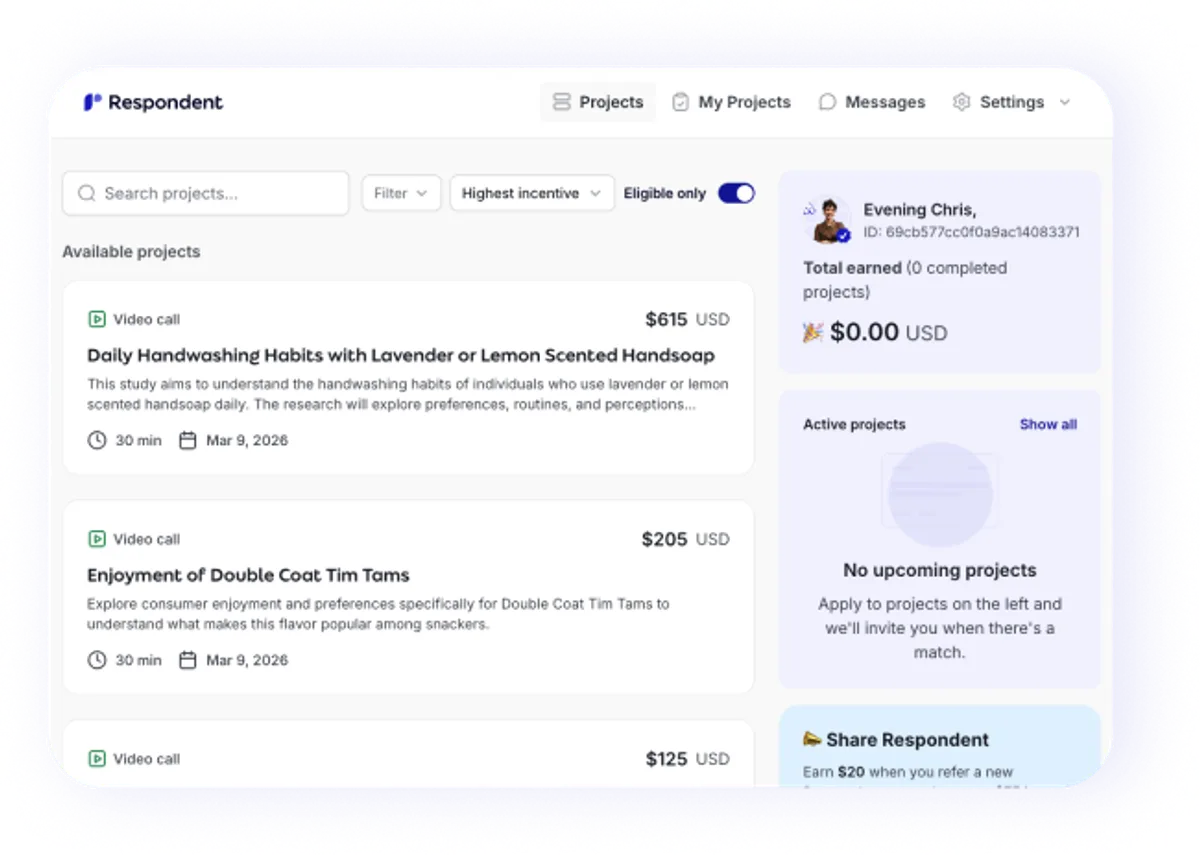
Respondent is a B2B and consumer research recruitment platform with a large, vetted panel and built-in screeners, scheduling, and incentive payments. It does not run AI-moderated interviews itself but integrates well with moderation tools. Teams leaving Listen Labs who feel the panel quality or targeting depth is the bottleneck, rather than the interview format, often evaluate Respondent as a sourcing layer.
- ✓ Deep audience targeting with professional and consumer panels means you can screen for very specific criteria that generic AI interview platforms do not manage on their own.
- ✓ Built-in incentive management and participant verification reduces the operational overhead of recruiting and paying respondents outside the platform.
3. Qualtrics
Enterprise-grade experience management for organizations that need research, CX, and employee data under one roof.
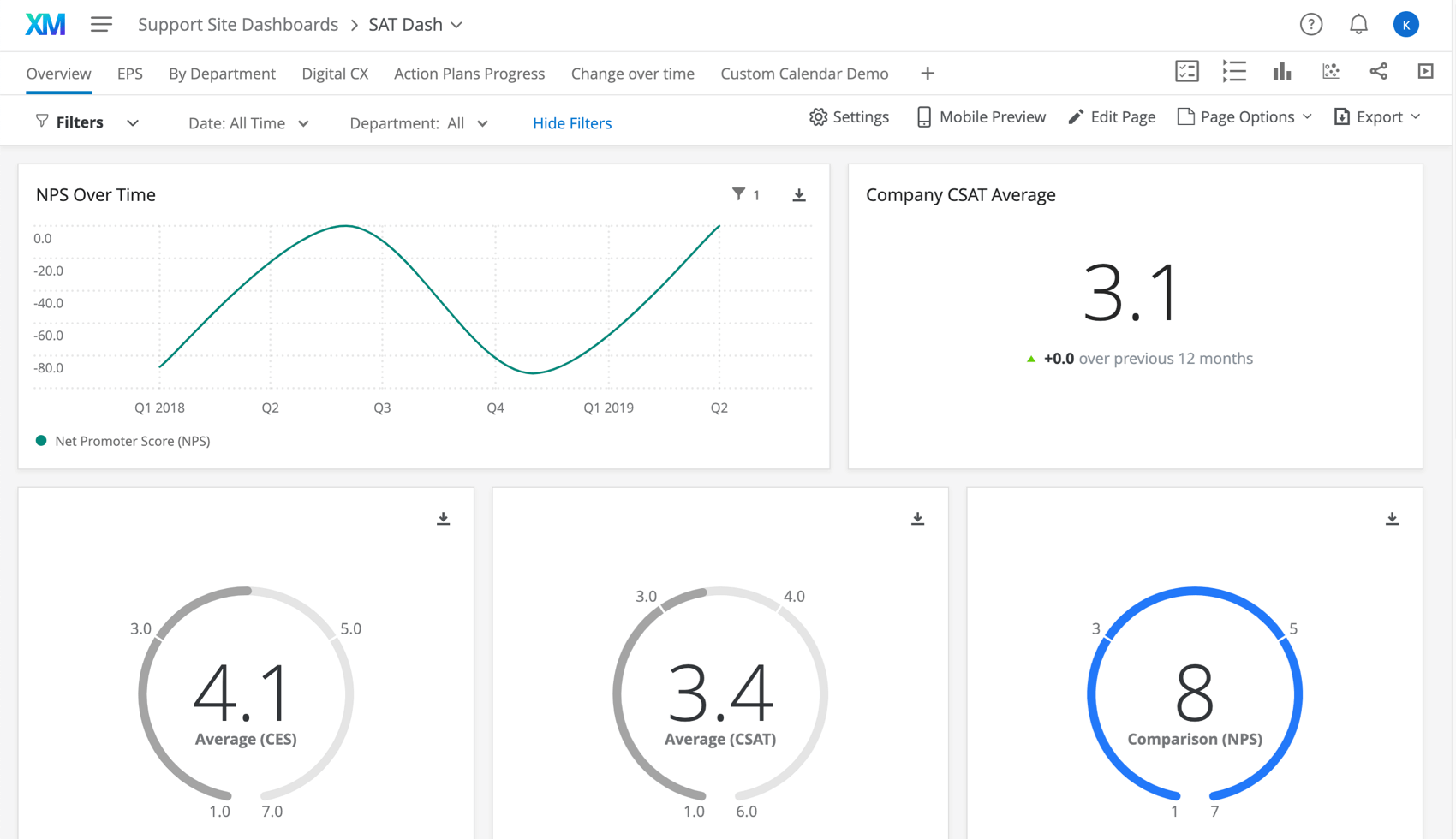
Qualtrics is a broad enterprise platform covering surveys, conjoint analysis, CX tracking, and qualitative analysis across large organizations. It is not an AI-moderated interview tool, but its qualitative analysis modules and VoC capabilities make it relevant for teams evaluating where to consolidate research data. It is a significant operational and contractual commitment compared to Listen Labs.
- ✓ Breadth of research methods in one platform (surveys, conjoint, NPS, qualitative) reduces tool fragmentation for large organizations running multiple research programs simultaneously.
- ✓ Enterprise compliance, data governance, and integration capabilities are significantly more mature than most AI-native research tools, which matters for regulated industries.
4. Maze
Rapid usability testing and product research without the need to schedule sessions or recruit moderators.
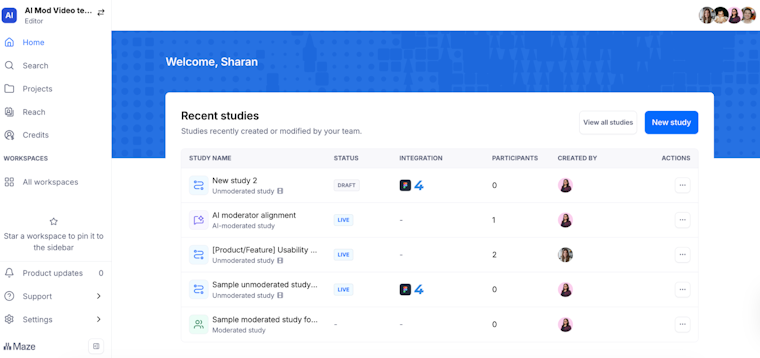
Maze is a product research platform focused on usability testing, prototype testing, and continuous discovery for product and design teams. It runs unmoderated tests asynchronously and surfaces quantitative usability metrics alongside qualitative responses. Teams moving away from Listen Labs because they primarily want product and UX feedback rather than broad consumer market research may find Maze a more focused fit.
- ✓ Native prototype testing integrations with Figma and other design tools let product teams get usability feedback on designs before they ship, a workflow Listen Labs was not built to support.
- ✓ Quantitative usability metrics (task completion rates, misclick rates, time on task) give product teams measurable signal alongside qualitative responses, which is useful when prioritizing design decisions.
5. Dovetail
A research repository and analysis platform that turns scattered qualitative data into organized, searchable insight.
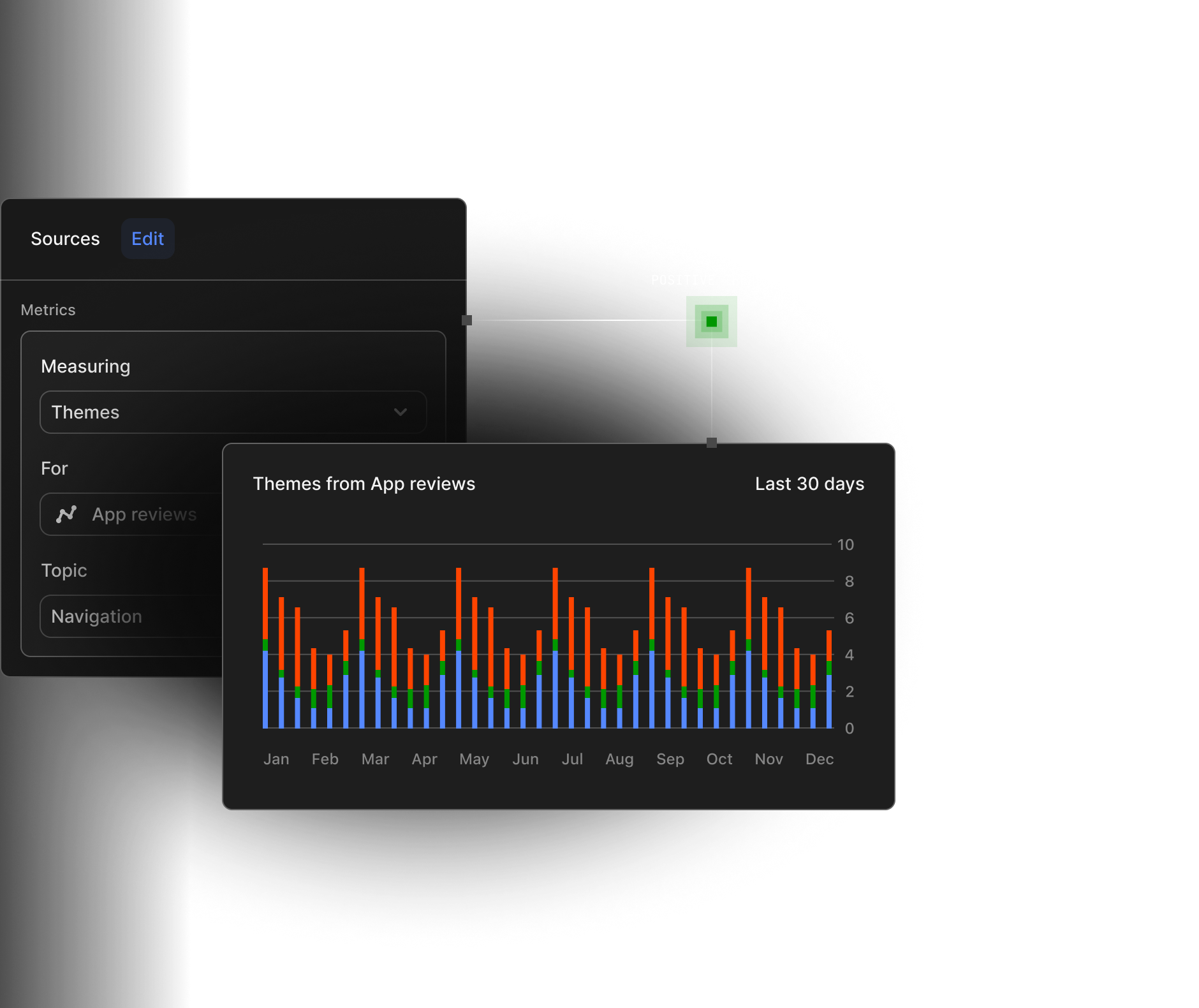
Dovetail is a qualitative research analysis and repository platform where teams upload transcripts, notes, videos, and other research artifacts, then tag, code, and synthesize findings collaboratively. It is not an interview moderation tool but is directly relevant for teams who want more control over how qualitative data is coded and stored than a reporting export from Listen Labs provides. It works best as a layer on top of existing research operations.
- ✓ Centralized research repository means insights from studies, interviews, support calls, and other sources are all searchable in one place rather than siloed in separate platform exports.
- ✓ Collaborative tagging and highlight reels make it easier for research teams to align on themes and share evidence with stakeholders, which is especially useful when multiple researchers are working on the same body of data.
| Feature | Usercall AI | Listen Labs |
|---|---|---|
| Research Rigor & Methodology | ||
| AI Automated Coding & Themes | ✅ Yes | ✅ Yes |
| Editable codes for iterative refinement | ✅ Yes | ❌ No |
| Multi-source analysis: interviews, tickets & reviews | ✅ Yes | ❌ No |
| Adaptive, AI-decided follow-up depth (not a fixed follow-up count) | ✅ Yes | ❌ No |
| Evidence-backed analysis — themes traceable to exact quotes | ✅ Yes | ❌ No |
| Detailed AI summaries per theme | ✅ Yes | ✅ Yes |
| AI Chat with Your Data | ✅ Yes | ✅ Yes |
| Voice of Customer (VoC) analysis | ✅ Yes | ❌ No |
| Research | ||
| In-product AI Moderated Interviews | ✅ Yes | ✅ Yes |
| In-product research triggers (e.g. post-purchase insights) | ✅ Yes | ❌ No |
| Visual stimulus / concept testing (show images or prototypes during interview) | ✅ Yes | ❌ No |
| Visual stimulus / concept testing (show images or prototypes during interview) | ✅ Yes | ❌ No |
| Self-Serve & Pricing | ||
| Self-serve — no sales call required | ✅ Yes | ❌ No |
| Free to try / transparent pricing | ✅ Yes | ❌ No |
| Pay-as-you-go | Pay-as-you-go | Custom enterprise pricing; requires sales contact for a quote |
| Platform | ||
| Ideal For | Product Teams, PMs, UX Managers, Startups, Market Researchers | Enterprise consumer insights and market research teams needing managed AI interview studies |
What is the main difference between Listen Labs and Usercall?
Listen Labs runs as a self-paced interview where respondents read questions, take time to think, and click next when they are ready to move on, which means every answer has been considered and composed before it is recorded. Usercall runs as a live, real-time voice call where the respondent has to answer in the moment with no pause or editing window, which produces raw, unfiltered reactions closer to what a live in-depth interview captures.
Is Listen Labs good for product teams, or is it more of a consumer research tool?
Listen Labs is primarily designed for consumer insights and market research teams running large-scale panel studies, and its self-paced interview format fits that use case well. Product teams who need research triggered by in-product behavior, continuous VoC analysis across support tickets and app reviews, and live voice interviews to capture authentic user frustrations tend to find tools like Usercall a closer fit for how they actually work.
Can I upload existing transcripts and feedback into these Listen Labs alternatives for analysis?
Not all of them. Usercall lets you upload any unstructured text (existing transcripts, NPS verbatims, support tickets, app reviews) and automatically codes it into editable themes, so you are not limited to analyzing only the studies you run through the platform. Dovetail also supports uploading and tagging existing research artifacts, though its AI coding is less automated than Usercall's.
How does AI moderated interview quality compare to a human-moderated IDI?
The biggest practical difference is that a human moderator picks up on nonverbal cues and can read the room in ways AI currently cannot, but AI-moderated interviews remove interviewer bias, scale to hundreds of simultaneous conversations, and are available asynchronously without scheduling. The format matters a lot here: a live voice AI interview that requires real-time answers produces more naturalistic, unfiltered responses than a self-paced text-based AI interview where respondents control the pace and can edit before submitting.
What does Listen Labs pricing cost?
Listen Labs pricing is quote-based. They do not publish a public number.
Did Salesforce already buy Listen Labs?
Salesforce signed an agreement to acquire Listen Labs on September 29, 2026. The deal is not closed yet. If you want AI-moderated voice interviews you can run yourself this week, Usercall can field them without waiting on a Salesforce stack.