
Blog
Usercall Blog
Practical notes on AI-moderated interviews, qualitative analysis and customer research. How to talk to more of the right users, trace every finding back to who said it, and decide with confidence.
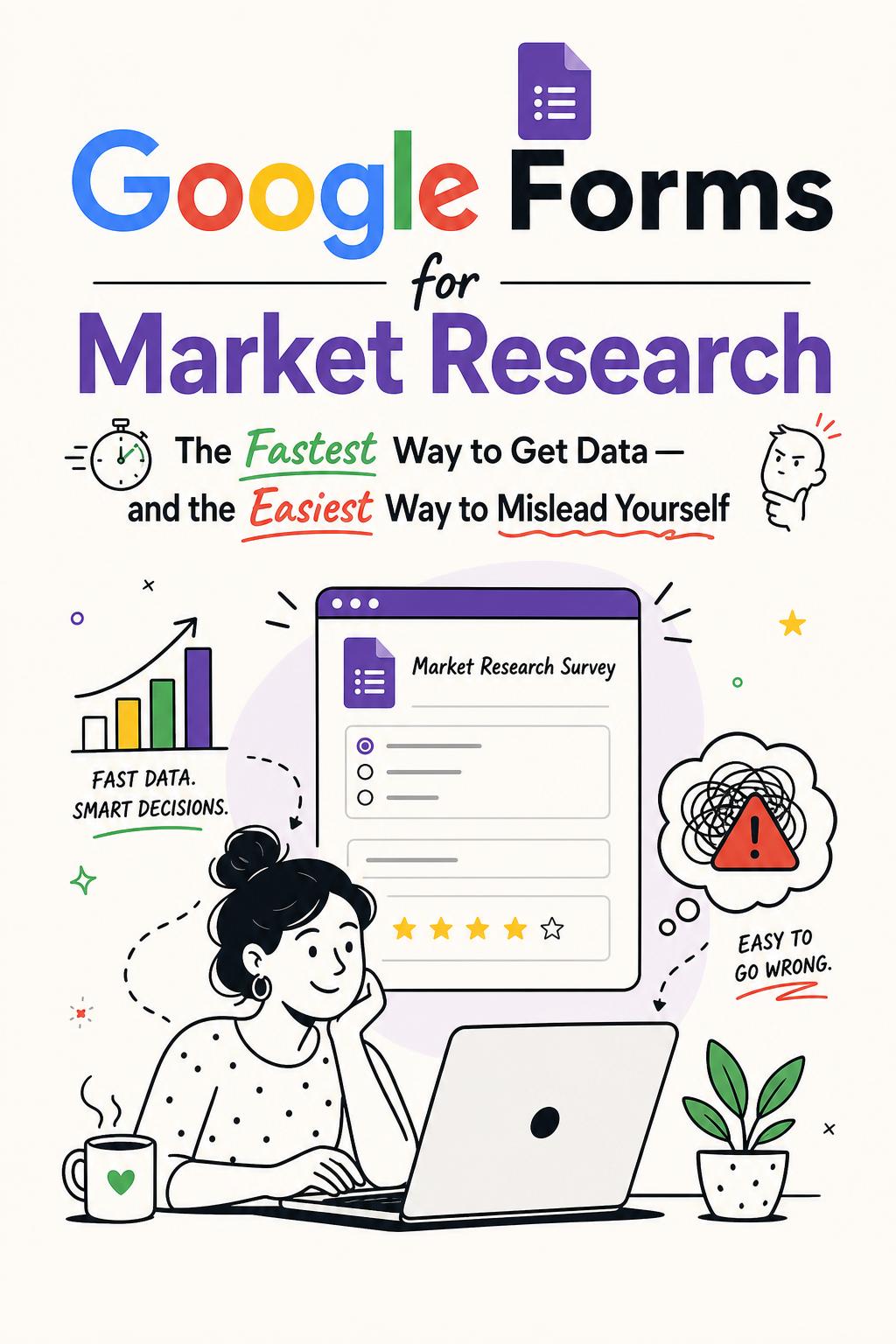
Google Forms for Market Research: The Fastest Way to Get Data—and the Easiest Way to Mislead Yourself
Is Google Forms good for market research? Learn where it works, where it fails, and how expert researchers avoid costly mistakes to get real insights—not just responses.

Gartner Peer Insights: Why Smart Teams Don’t Trust It (And What They Do Instead)
Gartner Peer Insights is useful—but dangerously incomplete. Learn how top research and product teams go beyond reviews to uncover real buyer behavior and hidden deal risks.
Educational Research Methods: A Practical Guide for Educators and EdTech Teams
A practical guide to educational research methods — qualitative, quantitative, and AI-assisted — for educators, faculty, and EdTech product teams.

AI focus groups: how they work, and the best tools
What an AI focus group is, how it differs from one-to-one AI-moderated interviews, and which tools to try in 2026. Usercall is self-serve from $89 a month.

Market Research for Target Audience: Why Your Personas Are Lying (And What Actually Converts)
Most target audience research is wrong. Learn a proven, research-driven framework to identify who actually buys, what triggers demand, and how to turn insights into higher conversion.

Voice of Customer Tools Are Failing You—Here’s How to Actually Turn Feedback Into Decisions
Most voice of customer tools collect feedback but fail to drive decisions. Learn what actually works, which tools matter, and how to turn VOC into real product insights.

Online Market Research Surveys Are Broken (Here’s How Top Teams Actually Get Real Customer Insight)
Online market research surveys often produce misleading insights. Learn why they fail, how to fix them, and the proven workflow top teams use to uncover real customer truth.

AI Qualitative Analysis Can Be Wrong in a Very Convincing Way
AI qual analysis can sound convincing while overstating weak evidence or missing contradictions. See why auditability matters and how Usercall helps.
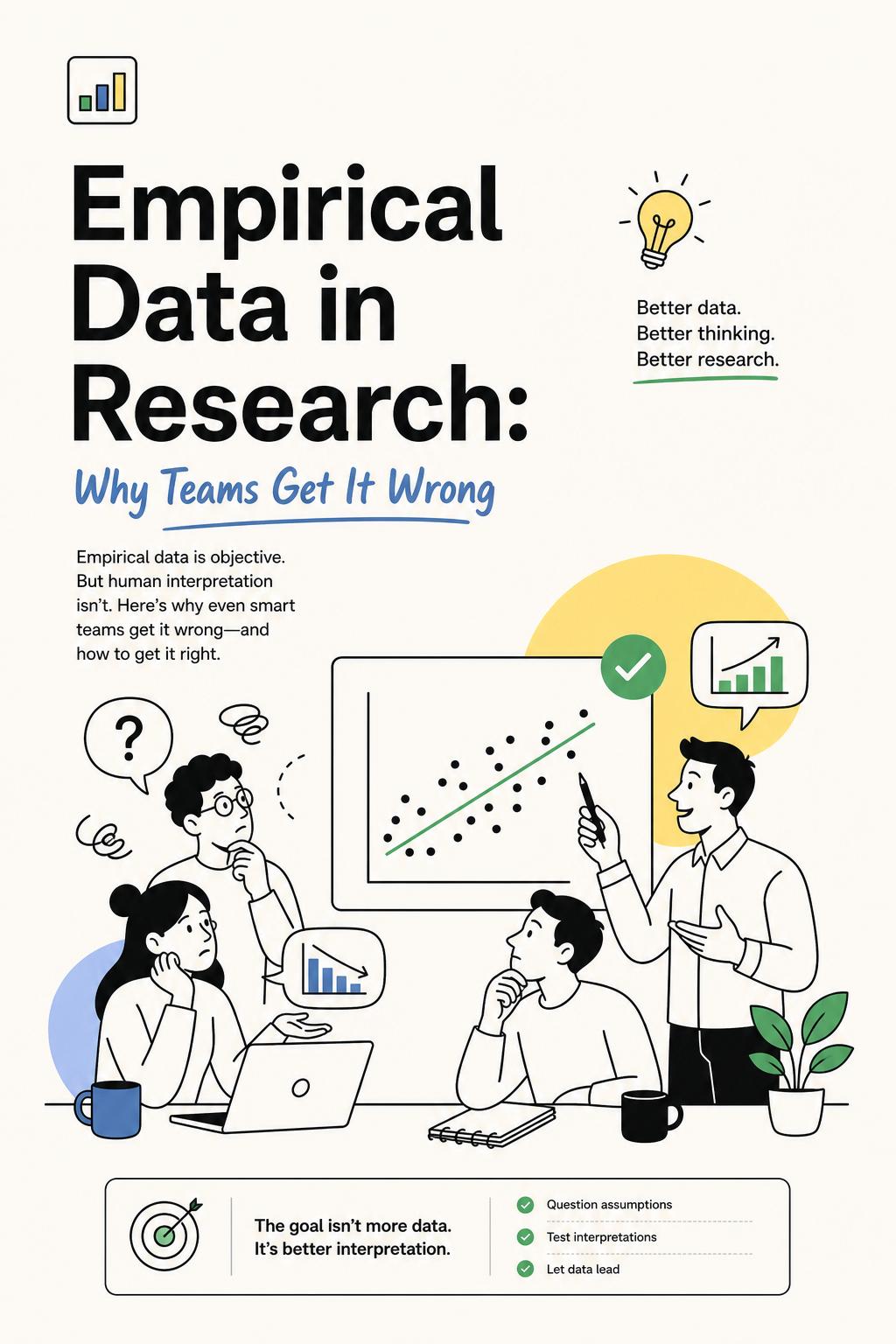
Empirical Data in Research: Why Most ‘Data-Driven’ Teams Still Get It Wrong
Struggling to use empirical data in research effectively? Learn why most teams misuse data—and how to collect evidence that actually drives product, UX, and business decisions.

Customer Survey Questions That Don’t Lie: 27 High-Impact Questions Most Teams Never Ask
Tired of vague survey responses? Discover 27 customer survey questions that reveal real behavior, plus a proven framework to turn feedback into product decisions.

Stop Wasting Time: 12 Market Research Methods That Actually Drive Decisions
Learn the most effective methods for market research, why common approaches fail, and how to choose the right method to uncover real customer insights and drive decisions.
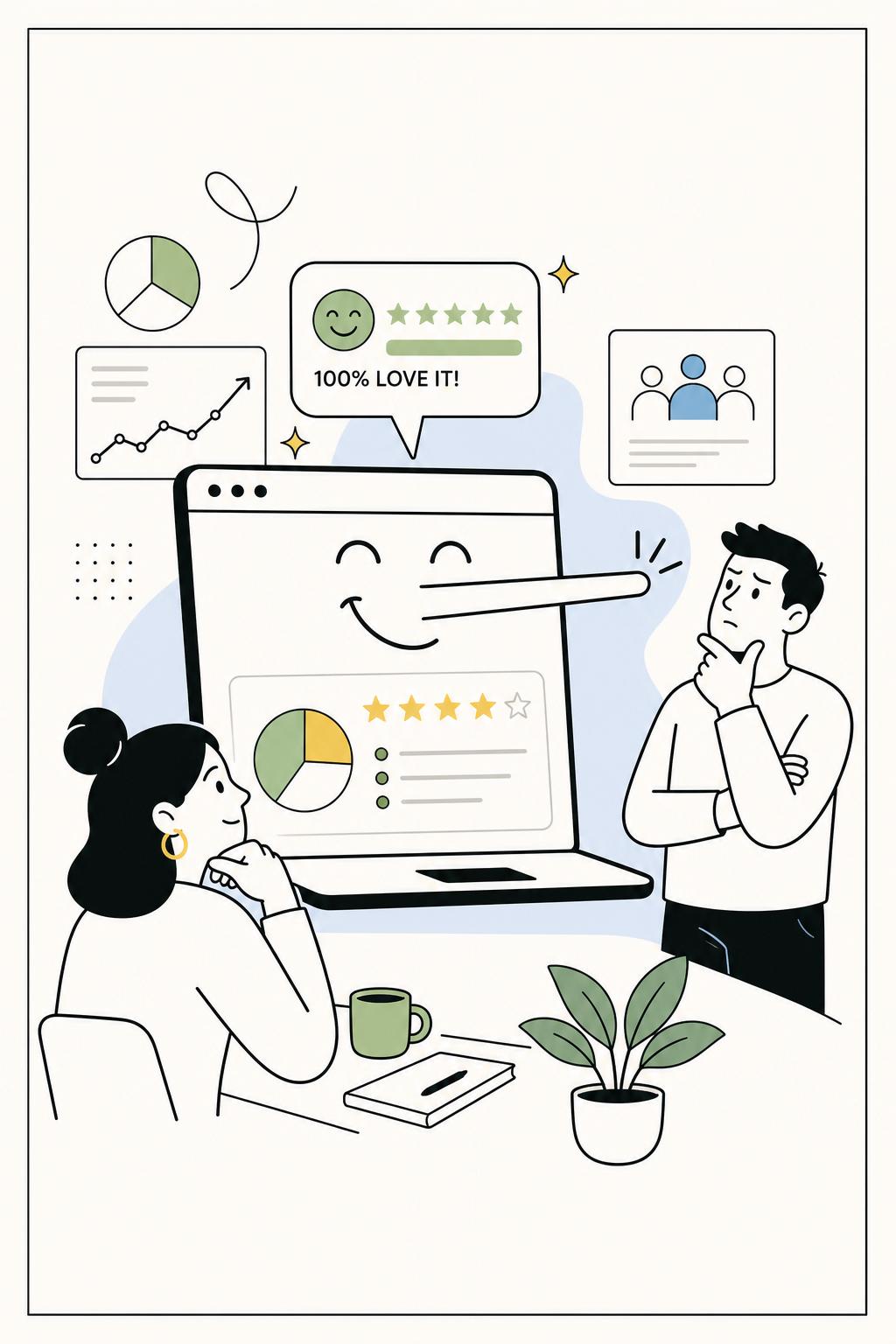
Online Market Research Platforms Are Lying to You (Here’s What Actually Works)
Most online market research platforms give you data, not decisions. Learn what actually matters, why common tools fail, and how to choose the right platform for real insights.

Stop Wasting Time on Competitor Research: The Only Analysis Framework That Actually Wins Deals
Most competitor research and analysis fails because it focuses on features, not decisions. Learn a research-driven framework to uncover why competitors really win—and how to beat them.
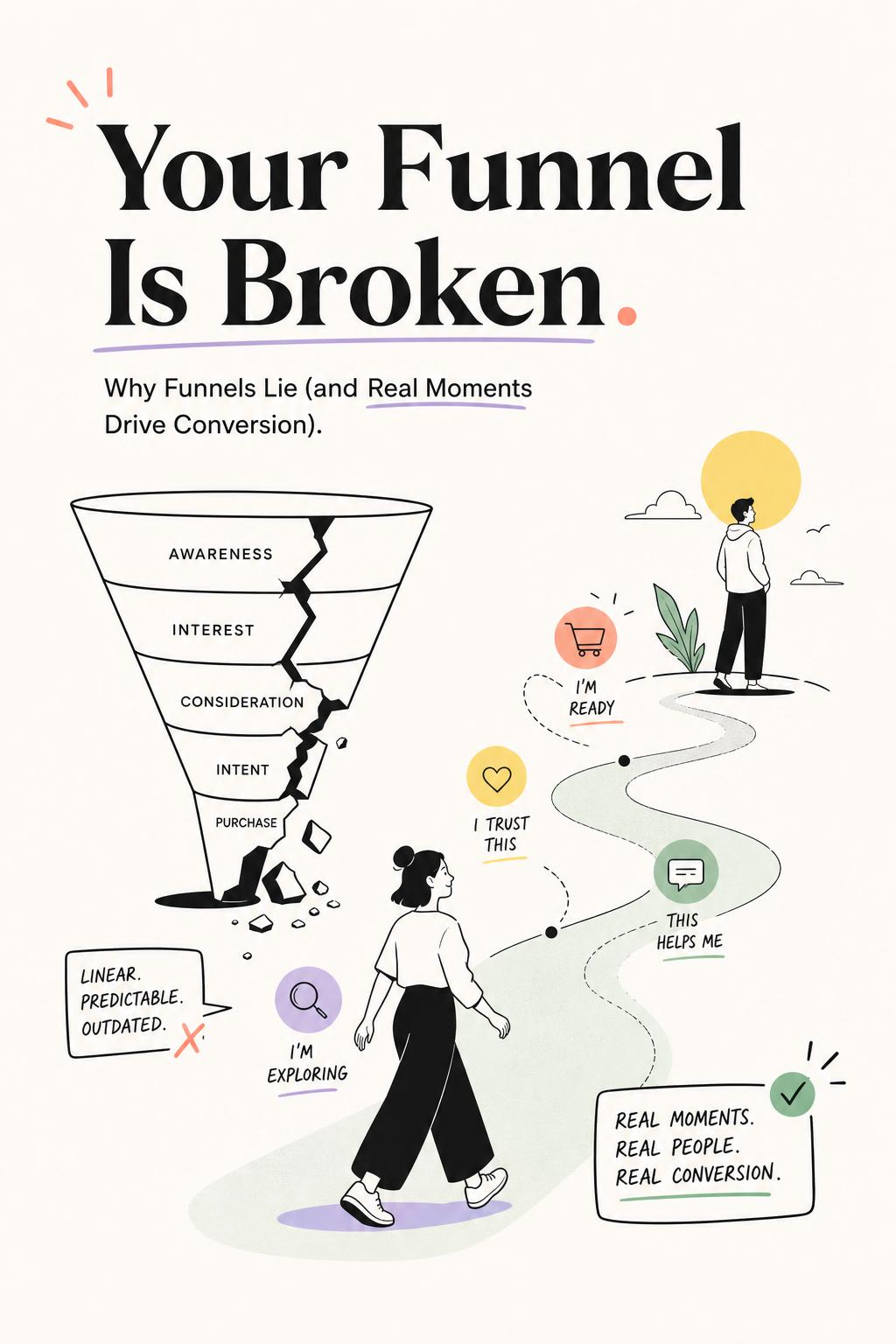
Customer Decision Journey Is Broken: Why Your Funnel Lies (and the Real Moments That Actually Drive Conversion)
Your customer decision journey isn’t linear—and your funnel is misleading you. Learn how real decisions happen, where they break, and how to influence key moments with research-backed insights.
Stop Collecting Feedback You Can’t Use: The Only Product Feedback Software That Actually Improves Decisions
Most product feedback software creates noise, not insight. Learn what actually works, why common tools fail, and how to choose software that reveals the real reasons behind user behavior.

AI-moderated interviews don’t fail because they ask follow-ups
AI interviews fail because they don’t know when to stop. A good interviewer probes. They don’t just accept the first answer at face value.
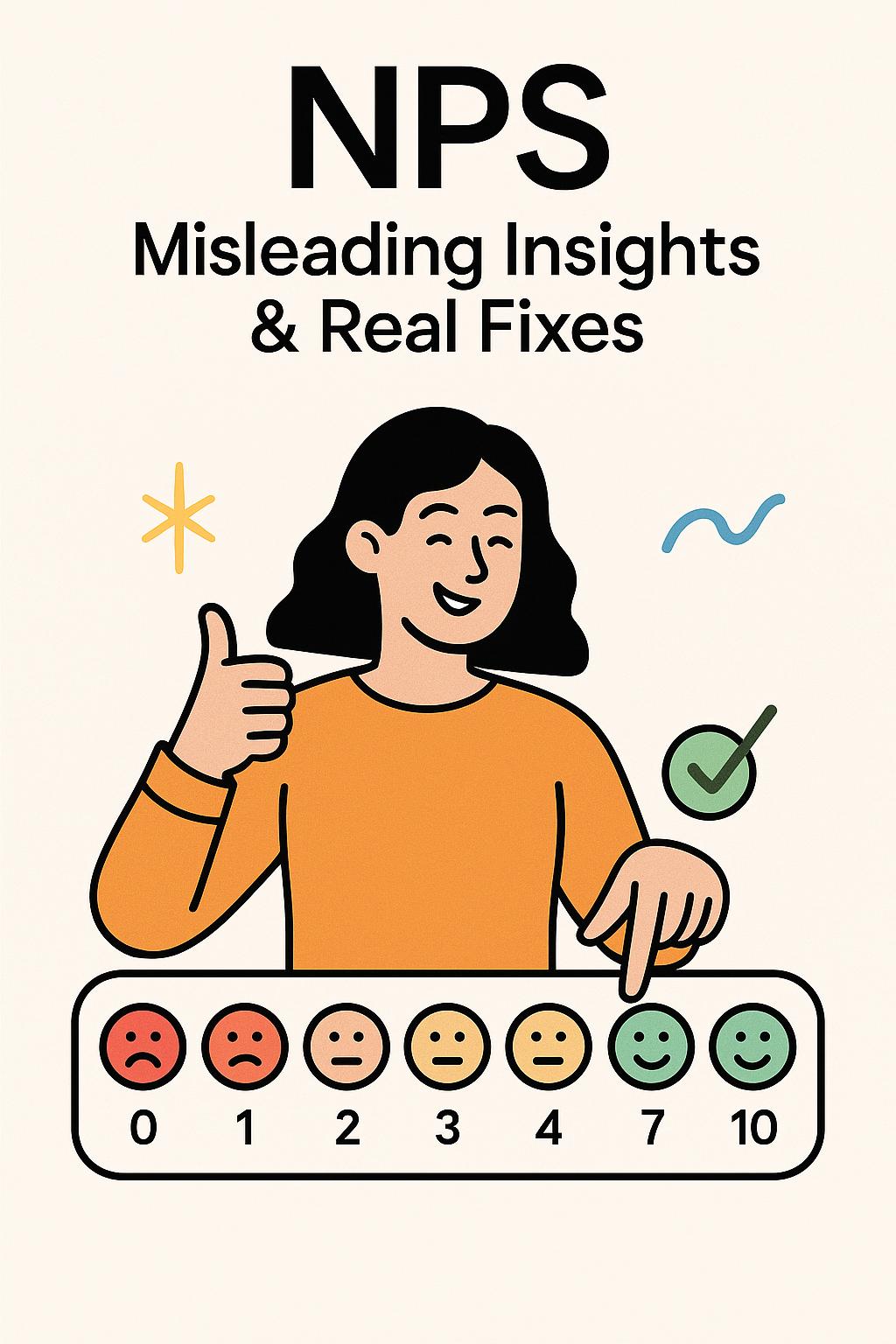
Net Promoter Score Survey: Why Your NPS Is Misleading (and the Research-Driven Fix That Actually Works)
Running a net promoter score survey but not getting real insight? Learn why NPS often misleads teams—and how to redesign your survey for actionable, research-grade insights.

Lookback Pricing in 2026: Plans, Session Costs & Alternatives
Lookback pricing explained — Freelance at $299/yr, Team at $1,782/yr, Insights Hub at $4,122/yr. What's included and when to consider alternatives.
Userlytics Pricing in 2026: Plans, Per-Session Costs & Alternatives
Userlytics pricing explained — enterprise plans from $34/session, self-recruitment subscriptions from $699/month, and how to choose the right plan in 2026.

Respondent Pricing 2026: Cost per Session and Payouts
Respondent charges a recruiting fee per completed session, one rate for B2C and one for B2B. Incentives are extra and depend on study length.

PostHog Pricing Free Plan 2026: When Charges Start
PostHog pricing explained — free tier limits, pay-as-you-go rates, and how costs scale with events, replays, and surveys in 2026.

Dscout Pricing in 2026: Plans, Costs & What You Actually Pay
Dscout pricing explained — what each plan includes, how per-mission costs work, and how it compares to alternatives for remote user research in 2026.

Prolific pricing: 42.8% platform fee on top of the reward
Corporate accounts pay a 42.8% platform fee on top of the participant reward. Qualifying academic/nonprofit accounts pay 33.3%. Prolific's recommended minimum reward is £9 or $12 an hour. The lowest reward allowed is £6 or $8 an hour.

Sprig Pricing in 2026: Plans, Costs & Smarter Alternatives
Sprig pricing explained — what each plan costs, what's included, and how Sprig compares to alternatives for in-product user research in 2026.